Why Are Proper Cooking Oil Disposal Methods So Important?
Cooking oil is a staple in kitchens worldwide, but the disposal of used cooking oil is rarely discussed in terms of its importance. Properly managing cooking oil waste is not only a responsibility but also a necessity due to its potential impacts on various aspects of life. From environmental degradation to economic burdens and health hazards, the repercussions of improper disposal can be far-reaching. Understanding these implications is crucial in encouraging responsible behavior and implementing effective solutions. This article explores the significant reasons why adopting proper cooking oil disposal methods is of paramount importance.
According to the EPA, two hundred million gallons of used oil are improperly disposed of each year. With the potential to pollute water, degrade soil, and contribute to air pollution, mismanaged oil disposal is a hidden threat. Additionally, it poses risks to human health and burdens community infrastructure. This non-biodegradable waste can clog sewer systems and attract pests, creating health and environmental issues that could be easily avoided. The broader economic costs, coupled with potential legal repercussions, further emphasize the need for proper disposal methods.
The awareness and proactive management of cooking oil disposal can have profound effects on community health and environmental conservation. Encouraging proper disposal practices not only benefits households but also aids municipal sewage systems and supports broader environmental goals. By examining the various impacts and solutions related to cooking oil disposal, this article aims to foster informed actions and inspire collective responsibility among individuals and businesses. Together, through awareness and proper practices, we can mitigate the dire consequences of improper disposal and contribute to a healthier environment and society.
Environmental Impact of Improper Cooking Oil Disposal
Improper disposal of cooking oil can lead to significant waterway contamination. When oil enters the waterways, it can form a film on the surface, disrupting oxygen flow and affecting aquatic life. Fish and other aquatic organisms rely on oxygen in the water, and this film can severely hinder their habitat. The consequences also extend to humans who rely on these water sources for drinking, agriculture, and recreation. Addressing this issue requires public education and stricter enforcement of disposal regulations to protect essential waterways.
The film of oil also contributes to water pollution, impacting both freshwater and marine ecosystems. This type of pollution is persistent and difficult to clean, demanding significant resources and time. Besides affecting aquatic organisms, this contamination can infiltrate water supplies, leading to larger public health risks. Importantly, the ripple effects of this pollution highlight a pressing need for community-driven solutions and government interventions. Collaborative efforts can significantly lessen the environmental damage caused by improper disposal.
Communities around the world must embrace sustainable practices to prevent oil from reaching waterways. This might involve implementing designated collection points for used oil and fostering partnerships with companies that can recycle the oil. Public initiatives are crucial in raising awareness about the effects of waterway contamination. Implementing such measures can ensure that the environment is preserved and prevent future devastation caused by neglect. The challenge requires collective effort, both at the grassroots and policy levels, to enforce change.
When cooking oil is discarded improperly on land, it can cause severe soil degradation. The presence of oil in the soil alters its chemical makeup, inhibiting the growth of plants and lowering soil fertility. These alterations can lead to barren landscapes and reduced agricultural productivity over time. Furthermore, the loss of fertile land can have significant implications for food security and biodiversity. It is therefore vital to consider how oil disposal practices impact land health and prioritize sustainable solutions.
The seepage of oil into the ground creates an imbalanced ecosystem, affecting microorganisms crucial for maintaining soil health. These microorganisms play a vital role in nutrient cycling, and their disruption can have cascading effects throughout an ecosystem. Additionally, the absorption of contaminants from oil impacts soil structure, reducing its capacity to retain water and support plant roots. With declining soil quality, the challenges for agriculture and natural ecosystems become more pronounced, thereby highlighting the urgency for action.
To address soil degradation, communities and governments must invest in sustainable disposal infrastructure and education programs. Educating the public about the detrimental effects of oil on soil can encourage responsible behavior. Regulations and incentives for companies to recycle used cooking oil can also promote positive change. By mitigating the negative impacts of improper disposal on soil, we can protect our ecosystems and ensure that future generations can rely on healthy, fertile land.
Improperly disposed cooking oil can contribute to air pollution, albeit indirectly. When oil is burned, either intentionally or through unregulated sterilization processes, it releases harmful fumes into the atmosphere. These fumes can contain volatile organic compounds (VOCs) and other pollutants, which pose a risk to air quality and public health. Such emissions can exacerbate respiratory diseases and negatively impact communities, especially those already vulnerable to pollution.
Effects on Plumbing and Infrastructure
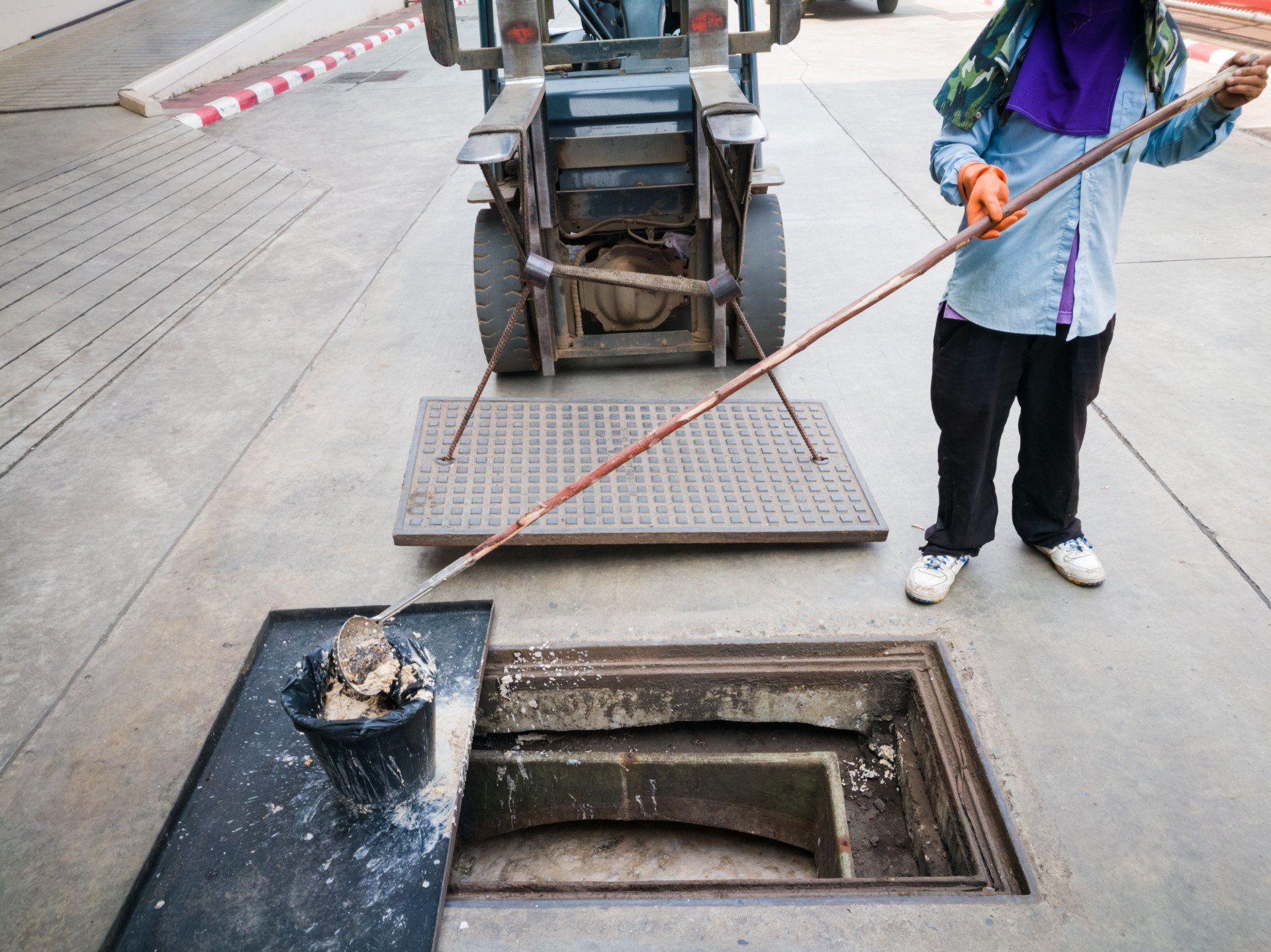
One of the most immediate effects of improperly disposed cooking oil is pipe blockages. When oil is poured down drains, it can cool and solidify, forming stubborn blockages known as fatbergs. These obstructions can cause significant issues for both individual households and wider municipal sewage systems. Homeowners may face costly plumbing repairs, while public utilities are burdened with maintenance and repair challenges. Fatbergs can also result in overflows, leading to additional environmental and health risks.
These blockages are particularly problematic because they reduce the efficiency of wastewater systems, leading to clogs and overflows. The buildup of material not only affects water flow but also leads to higher pressure within pipes, increasing the likelihood of breakage. This inefficiency costs homeowners and municipalities significant amounts in repairs and replacement. Raising awareness about the consequences of pouring oil down the drain is crucial in mitigating this issue.
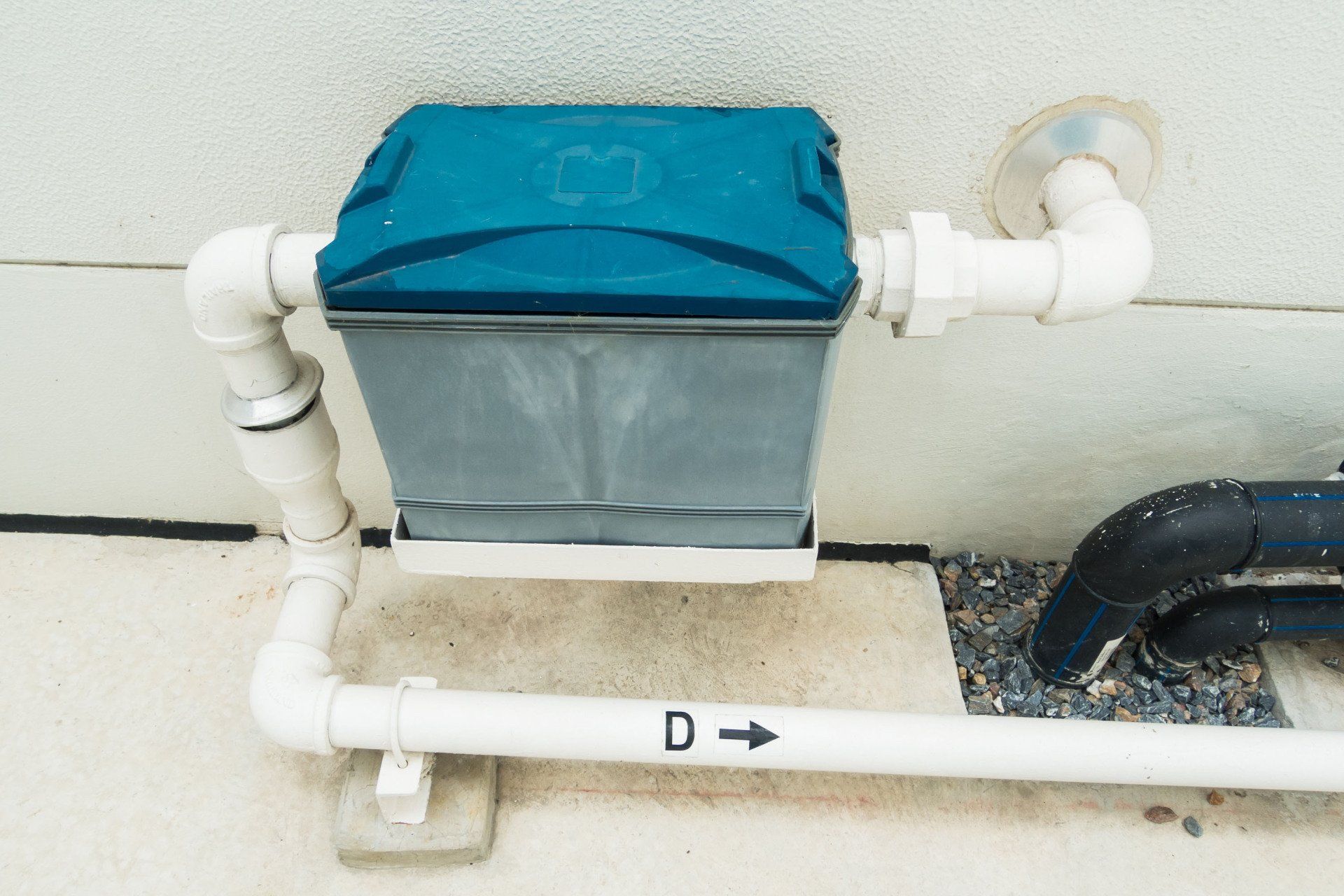
Solutions involve public awareness campaigns that inform about proper disposal methods and encourage the use of dedicated collection services. Installing grease traps in homes and businesses can further reduce the likelihood of oil-related blockages. Additionally, local governments can implement stricter laws and penalties for improper disposal to dissuade such practices. Mitigating these challenges requires collective effort and buy-in from the community, infrastructure services, and regulatory bodies.
The introduction of cooking oil into sewage systems can lead to significant and costly damage. When oil accumulates, it mixes with other debris to form large masses that obstruct wastewater flow. Over time, the pressure and buildup can cause pipes to burst or degrade, leading to raw sewage spillages. Such incidents can have devastating effects on local environments and pose severe health risks to communities. Thus, maintaining the integrity of sewage systems is a priority.
The financial burden of repairing these damaged systems is significant for local governments and taxpayers. The restoration process can be extensive, requiring considerable time and resources to rectify. Meanwhile, the disruption caused to public utilities can lead to service delays and increased maintenance costs. Understanding the link between oil disposal and sewage system health is vital for justifying investments in better waste management solutions.
Improper cooking oil disposal leads to increased maintenance costs for both individuals and municipalities. As mentioned, these blockages require significant resources to address, including manpower and technological interventions. Public utilities divert funds from other services to manage the ramifications of improper waste disposal. This reallocation affects community growth and the development of essential infrastructure projects. Tackling these unnecessary costs is crucial for fostering sustainable local economies.
Proper cooking oil disposal is an important part of protecting the environment, maintaining plumbing and sewage infrastructure, and reducing unnecessary costs for households and communities. Pouring used oil down drains or discarding it improperly can contribute to water and soil pollution, clogged pipes, and costly repairs. By using designated collection services, recycling programs, and other appropriate disposal methods, individuals and businesses can help prevent these problems. Taking responsible steps with used cooking oil can contribute to cleaner waterways, healthier communities, and more sustainable waste management practices. For more information about
cooking oil disposal, contact 1st Choice Grease Service today.


Share On: