
How Grease Recycling Is Contributing to Environmental Sustainability
Grease waste is easy to overlook, especially when it comes from everyday activities such as preparing meals, operating commercial kitchens, or maintaining industrial equipment. However, when used cooking oil, fats, and other grease products are disposed of improperly, they can contribute to pollution, clogged sewer systems, and wasted resources. Finding better ways to manage these materials is an important step toward protecting the environment and supporting responsible business practices. Grease recycling offers a practical solution by turning certain waste materials into useful resources, reducing disposal problems, and helping communities move toward a more sustainable future.
Understanding the Environmental Impact of Grease Waste
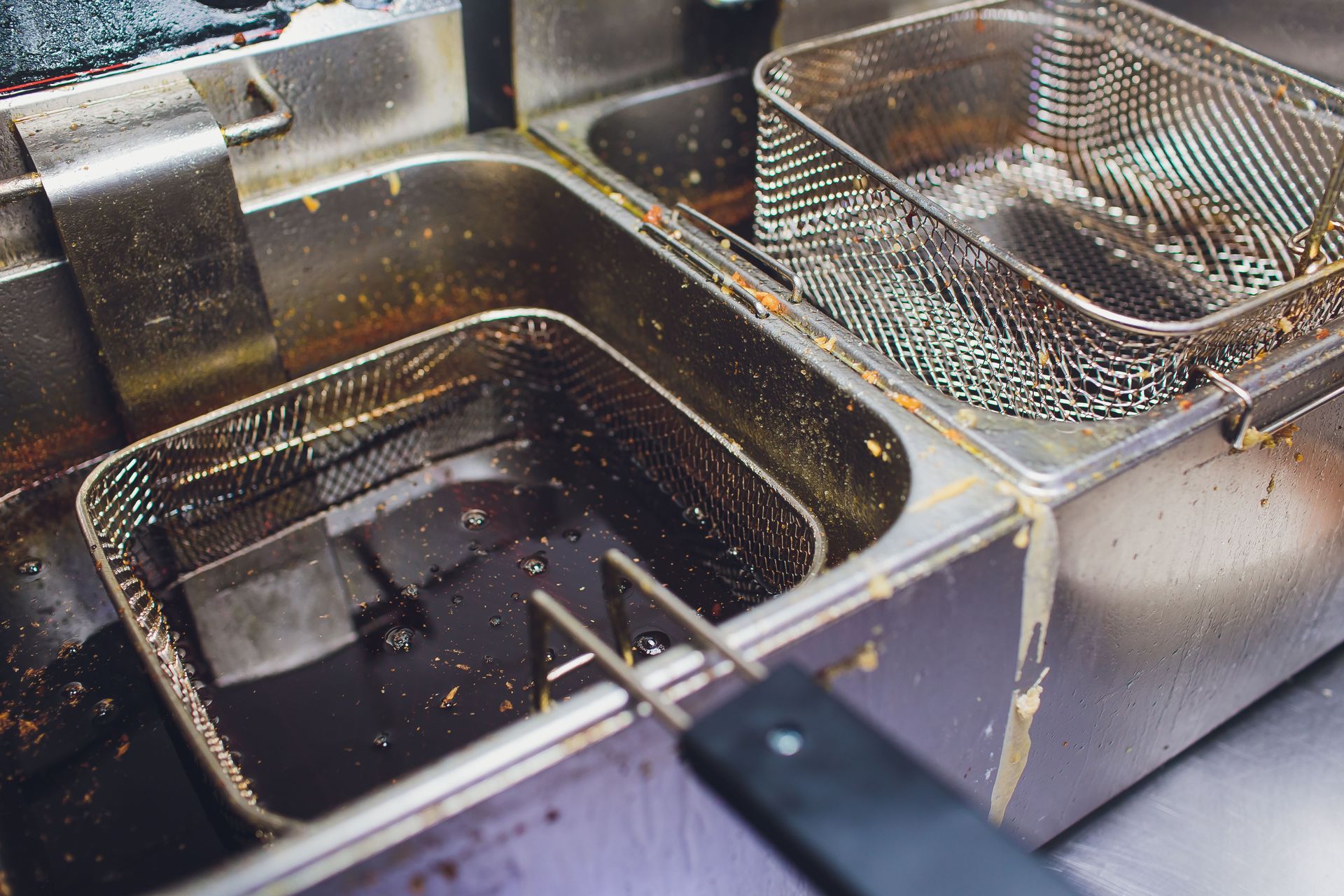
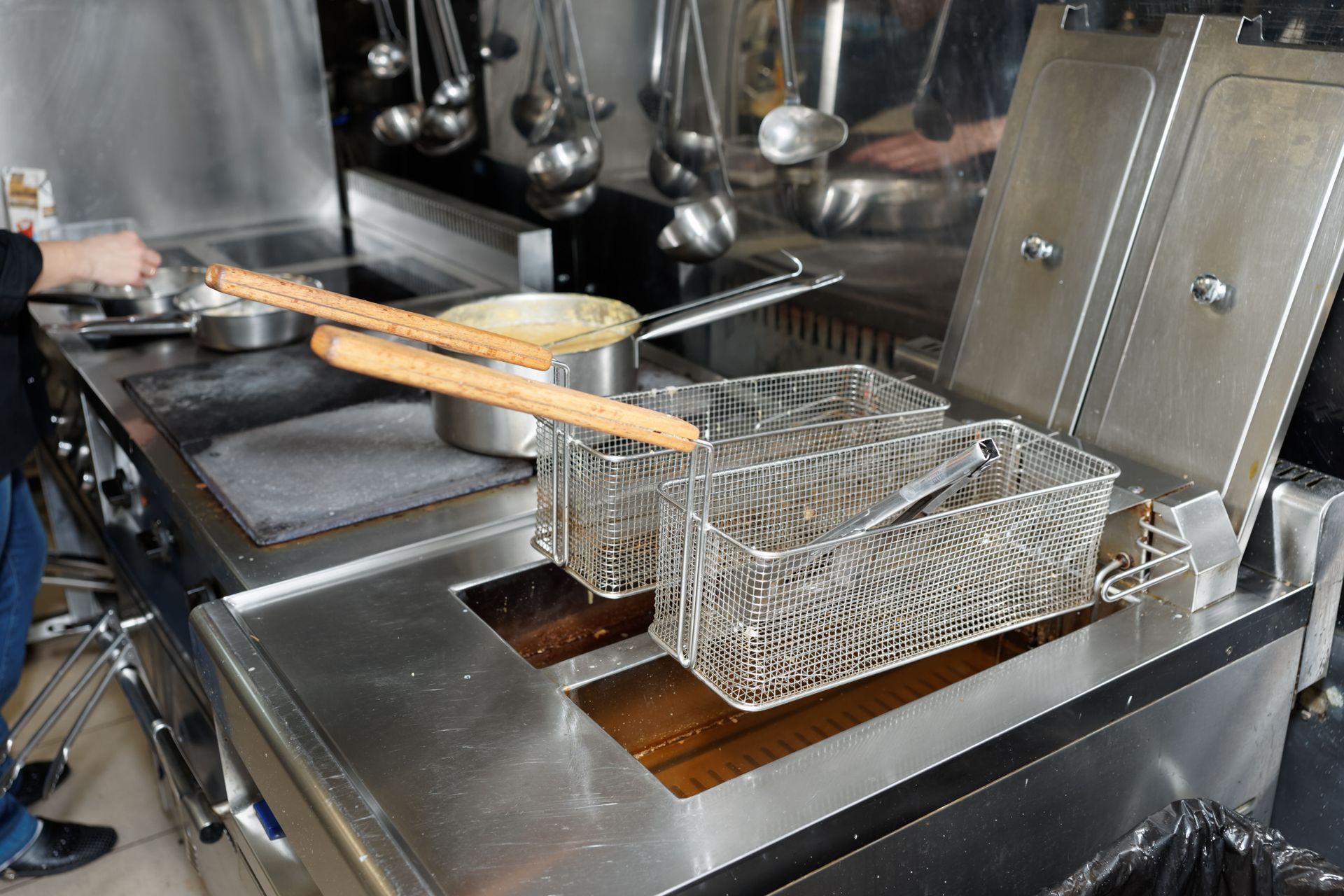
Grease waste can create several environmental problems when it enters waterways, soil, or public sewer systems. Restaurants, cafeterias, food processing facilities, and commercial kitchens often generate substantial quantities of used cooking oil and fats, making proper disposal essential. When these materials are poured down drains, they can accumulate inside pipes, contribute to blockages, and increase the risk of wastewater overflows. Industrial oils and lubricants also require careful handling because contaminants can damage ecosystems if they reach surrounding environments. Understanding these risks helps businesses and households make responsible disposal decisions while recognizing how everyday waste management choices affect the natural world. Preventing contamination at the source is often more practical than dealing with environmental damage after it occurs.
Preventing Pollution With Responsible Disposal
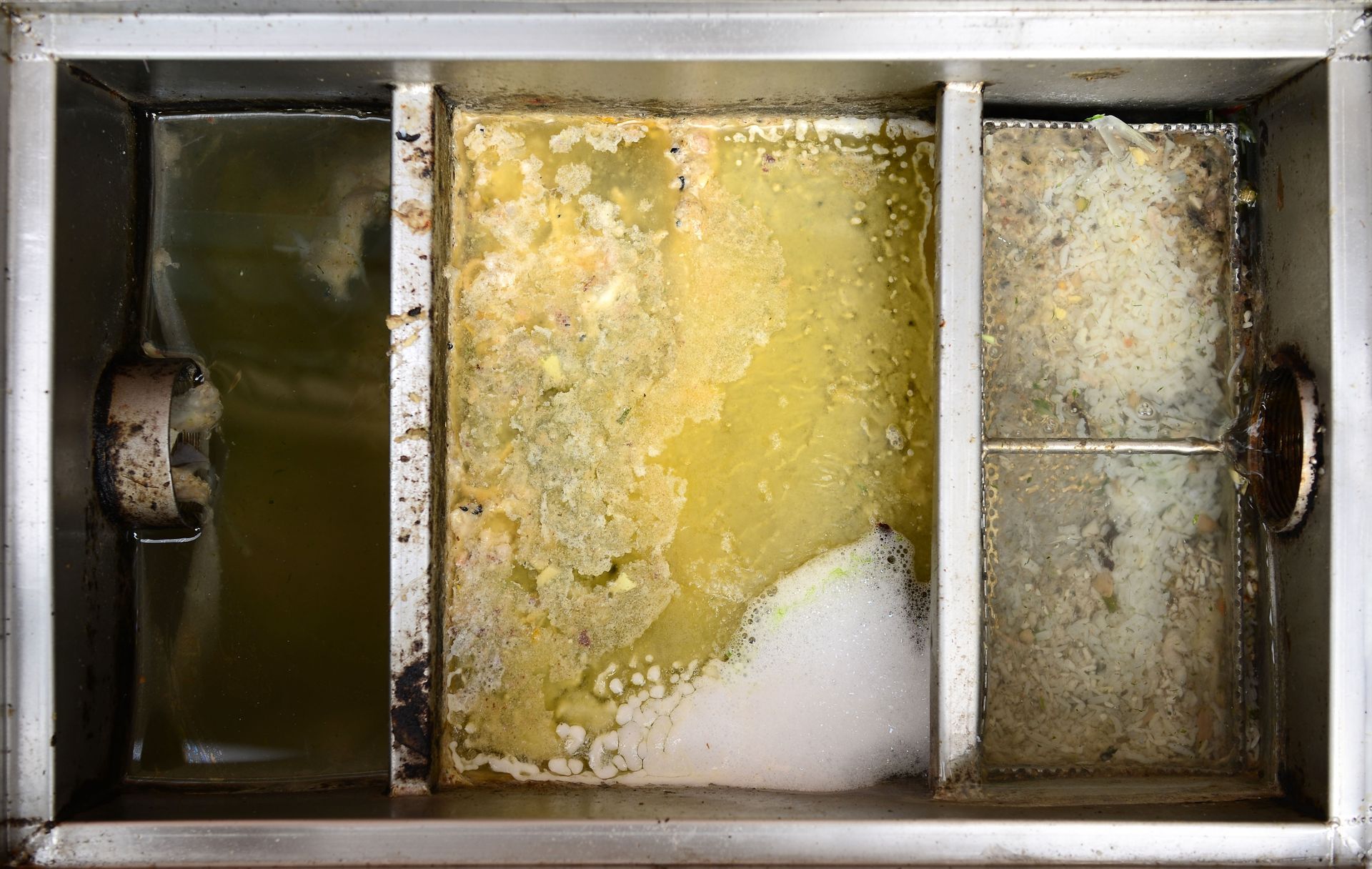
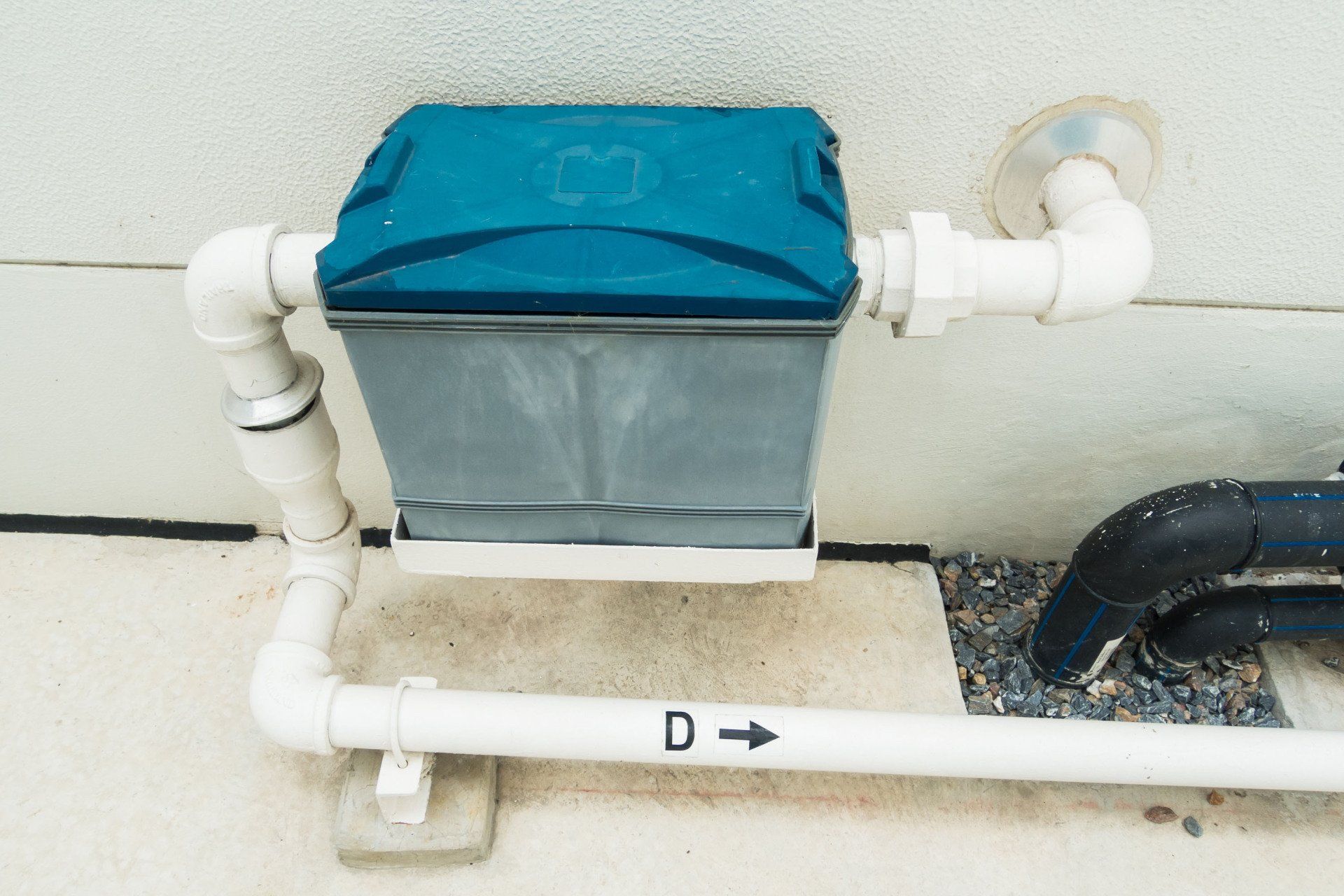
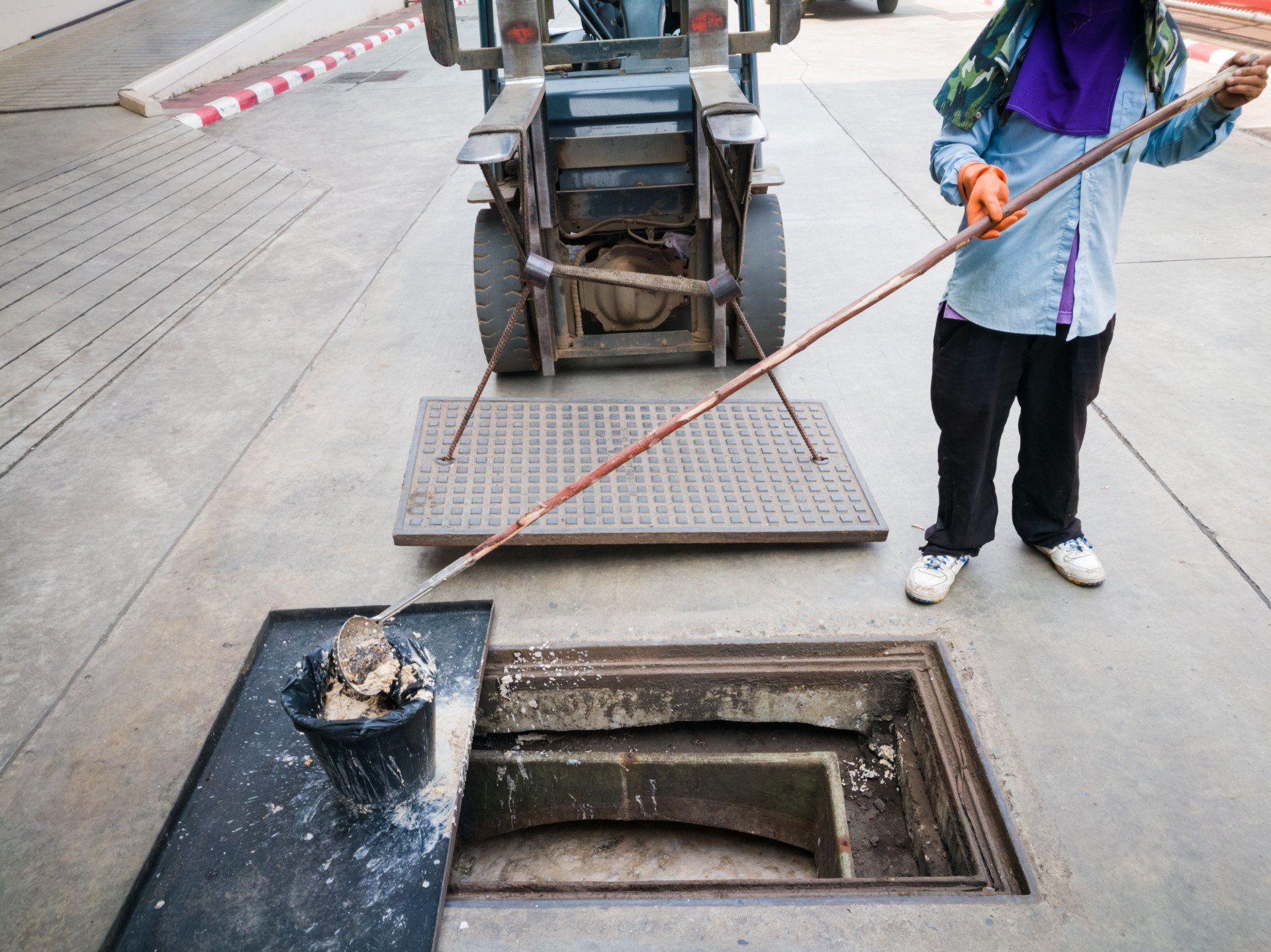
Preventing pollution begins with keeping grease out of drains, stormwater systems, and natural waterways. Commercial kitchens can use grease traps and interceptors to capture fats, oils, and grease before they enter plumbing systems, while regular maintenance helps these devices operate effectively. Collected materials should be handled according to applicable disposal requirements rather than discarded with ordinary waste or released into the environment. Grease recycling provides a useful option for recovering eligible materials instead of sending them directly to landfills or other disposal destinations. These practices help protect water quality, reduce pressure on municipal infrastructure, and encourage businesses to take a more active role in environmental protection. Employees who understand proper disposal procedures can also help prevent accidental spills and costly plumbing problems.
Recovering Resources Through Grease Recycling
One of the most valuable aspects of grease recycling is its ability to transform discarded materials into useful resources. Depending on the material's composition and the available processing technology, recovered grease can serve as a feedstock for biodiesel, renewable diesel, and other industrial applications. These uses help extend the value of resources that would otherwise be treated as waste, supporting a more circular approach to production and consumption. According to the U.S. Environmental Protection Agency (EPA), recycling two gallons of used oil can produce enough electricity to power an average household for nearly 24 hours. Although this example concerns used oil rather than every type of grease, it illustrates how recovering suitable waste materials can help conserve resources and support energy recovery. Converting appropriate waste into useful products can also reduce the demand for newly extracted raw materials.
Reducing Energy Waste Through Resource Recovery
Energy recovery is another way that properly managed waste materials can contribute to environmental sustainability. Some recovered fats and oils can be processed into alternative fuels, providing energy sources that may reduce dependence on conventional petroleum products. The overall environmental benefit depends on factors such as processing methods, transportation distances, fuel characteristics, and the energy required for production. Businesses can support these efforts by separating recyclable grease from other waste and arranging appropriate collection services. When recovered materials are directed toward suitable applications, waste management becomes an opportunity to conserve resources rather than simply a task focused on disposal. This approach also encourages industries to evaluate how materials generated during routine operations can serve a useful purpose elsewhere.
Improving Business Practices With Sustainable Collection
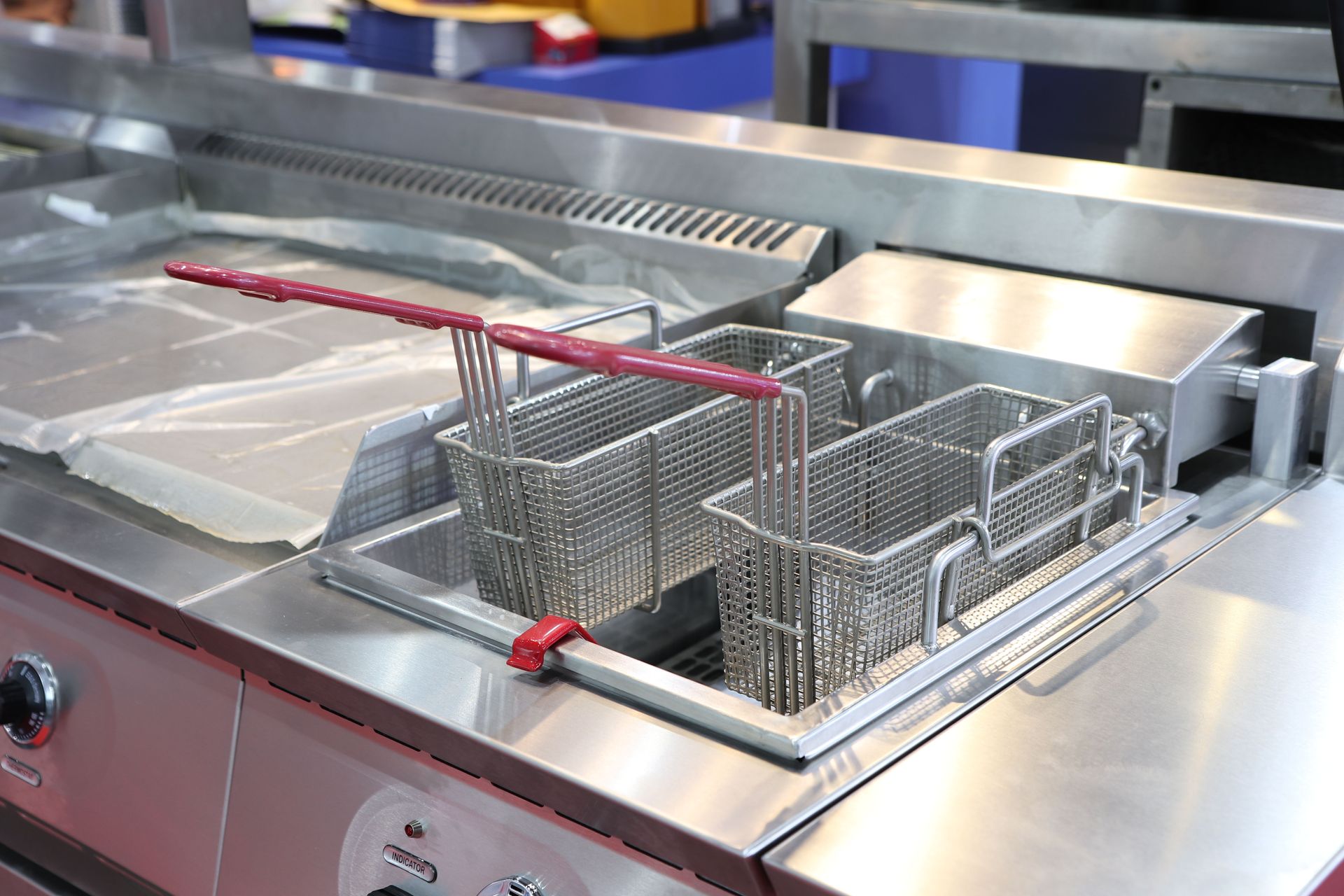
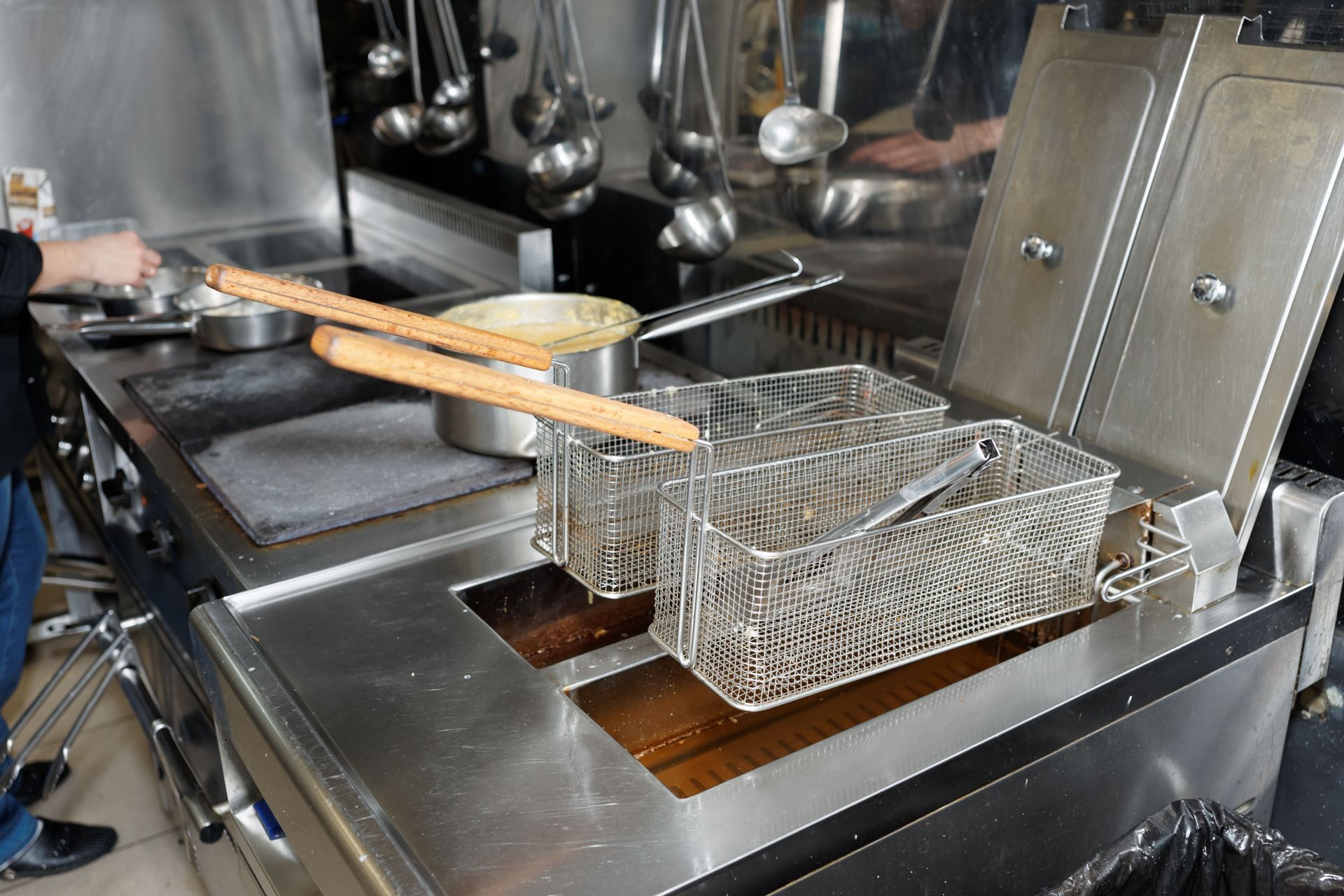
For restaurants and other food service businesses, sustainable grease management starts with establishing consistent collection and storage procedures. Used cooking oil should be kept in designated, secure containers to prevent spills, contamination, and accidental discharge into drains. Staff members also need clear instructions about where grease belongs, how containers should be handled, and when collection should be arranged. Professional collection providers can transport eligible materials to appropriate processing facilities while helping businesses maintain orderly waste management routines. With dependable procedures in place, businesses can reduce preventable messes, support responsible resource recovery, and make environmental practices part of their everyday operations. Keeping collection areas clean and checking storage containers regularly can further reduce the likelihood of leaks, unpleasant odors, and unnecessary cleanup.
Strengthening Communities Through Grease Recycling
Responsible grease recycling can benefit communities by reducing the environmental and infrastructure problems associated with improper disposal. When less grease enters sewer systems, municipalities may face fewer grease-related blockages and overflows, although the results depend on local conditions and maintenance practices. Collection and processing activities can also support employment in transportation, waste management, and renewable fuel production. Community education makes these benefits easier to achieve by helping residents understand why used cooking oil should not be poured into household drains. Schools, local organizations, and businesses can share practical disposal guidance to make responsible habits easier to follow. As residents, businesses, and service providers work together, shared waste management practices can contribute to cleaner neighborhoods, healthier waterways, and more efficient use of local resources.
Building a More Sustainable Future Through Innovation
Continued improvements in collection, processing, and material recovery can help make grease management more efficient. Better storage systems can limit spills, while improved transportation practices can reduce contamination and unnecessary handling. Processing technologies may also expand the range of waste materials that can be converted into useful products, provided those materials meet the requirements of the intended application. Businesses can contribute by reviewing their disposal procedures, educating employees, and choosing appropriate collection arrangements for their operations. Public awareness and clear local guidelines can further encourage participation by making recycling options easier to understand and access. Although no single waste management strategy can solve every environmental challenge, consistent resource recovery can support broader sustainability goals and encourage more responsible consumption across industries.
Businesses can take additional steps by tracking how much grease they generate and reviewing their disposal routines regularly. Keeping simple records helps managers identify waste patterns, improve collection schedules, and spot opportunities to reduce unnecessary waste. Choosing suitable storage containers and training new employees on proper handling procedures can also make daily operations more efficient. These improvements do not always require major investments, but they can make a meaningful difference when applied consistently. By treating grease management as an ongoing responsibility rather than an occasional task, businesses can strengthen their environmental practices while encouraging employees to make sustainability part of their everyday decisions.
Grease waste management is a practical part of protecting natural resources, reducing pollution, and making better use of materials generated through everyday commercial activities. By preventing improper disposal, supporting grease recycling, and maintaining consistent collection practices, businesses can reduce avoidable environmental risks while contributing to more sustainable waste management systems. These efforts are most effective when businesses understand their responsibilities, employees follow clear procedures, and collected materials reach suitable processing facilities. Over time, better grease management can become part of a broader commitment to reducing waste and using resources more efficiently. Contact 1st Choice Grease Service to discuss grease collection and recycling solutions for your business.


Share On: